


Technology is just a tool.

AI can replicate, but can it yearn?

Can an algorithm understand the weight of a glance between two people who can’t express their feelings? Can code capture the way memory distorts and reshapes our past?

These are the questions that interest me, and I don’t think machines have the answers yet.”

Wong Kar waiSight and Sound, 2025

We’re here to prove they can.

The proof is in what you feel.

We want you to care what happens to someone who doesn’t exist. To recognize something of yourself in them. To finish an episode and still be thinking about it the next morning.

That’s the ambition behind Unspool. We’re using AI to make stories that move you.

Pause an episode and step into its world. Take control of a character, follow a lead on their laptop or phone, and keep what you discover in your case file. Then return to the story.

Why it takes a new kind of studio

A studio built for a living world.

A world with history and audience influence asks for careful coordination. Software can help a small team explore a new direction without losing track of what it has already made.

Today's Studio demo prepares structured proposals and reviews them with mock providers. It is not a live production system.

The studio we are building

  • Story proposals and continuity review
  • Scene and shot planning
  • Producer review and approval
  • Quality and cost review

The studio is software.

The taste is still human.

Humans are still the directors

AI doesn't get final cut.

A human executive producer sets the terms of the world, reviews the work, and decides what is ready to release.

The executive producer defines

  • Characters and story arcs
  • Tone and visual language
  • Audience boundaries
  • What becomes canon

Machines can generate possibilities.

Someone still has to decide what is worth watching.

What we intend to follow

Our principles.

01

Create characters. Don't clone people.

UNSPOOL is built around original fictional characters and worlds, not unauthorized synthetic copies of recognizable performers.

Where a real person’s likeness, voice, or performance is used, it should be with permission and appropriate rights.

02

The audience has influence, not unlimited control.

Creators set the boundaries. You control a character as you explore the world, and audience decisions influence the story. The creator decides what becomes part of the show.

03

No fake fans.

Official AI hosts must be clearly labeled. They must not pose as viewers, cast votes, or inflate audience counts.

04

Being able to generate it isn’t a reason to publish it.

Generation can offer options. A human producer decides whether the work meets the world’s standard and is worth releasing.

05

Participation deserves an answer.

When we invite an audience decision, we intend to explain what it can affect and show what followed.

06

There is room to disagree.

Watching without commenting, questioning a popular theory, and joining late should all have a place here.

We’re learning from Ubuntu, a Southern African philosophical tradition that connects our humanity with how we relate to other people. It makes us ask what we owe the people who make and watch our stories.

Read Thaddeus Metz on Ubuntu in the African Human Rights Law Journal

What it makes possible

Three worlds. Three ways to take part.

These examples show the formats we are working toward, not live audience activity. Mars House is the first playable demo. Founder Scale is next up. Zero Day is in development.

  • Mars House

    Mars House lets the audience influence a fictional world.

  • Founder Scale

    Founder Scale lets the audience advise and contribute to a real company.

  • Zero Day

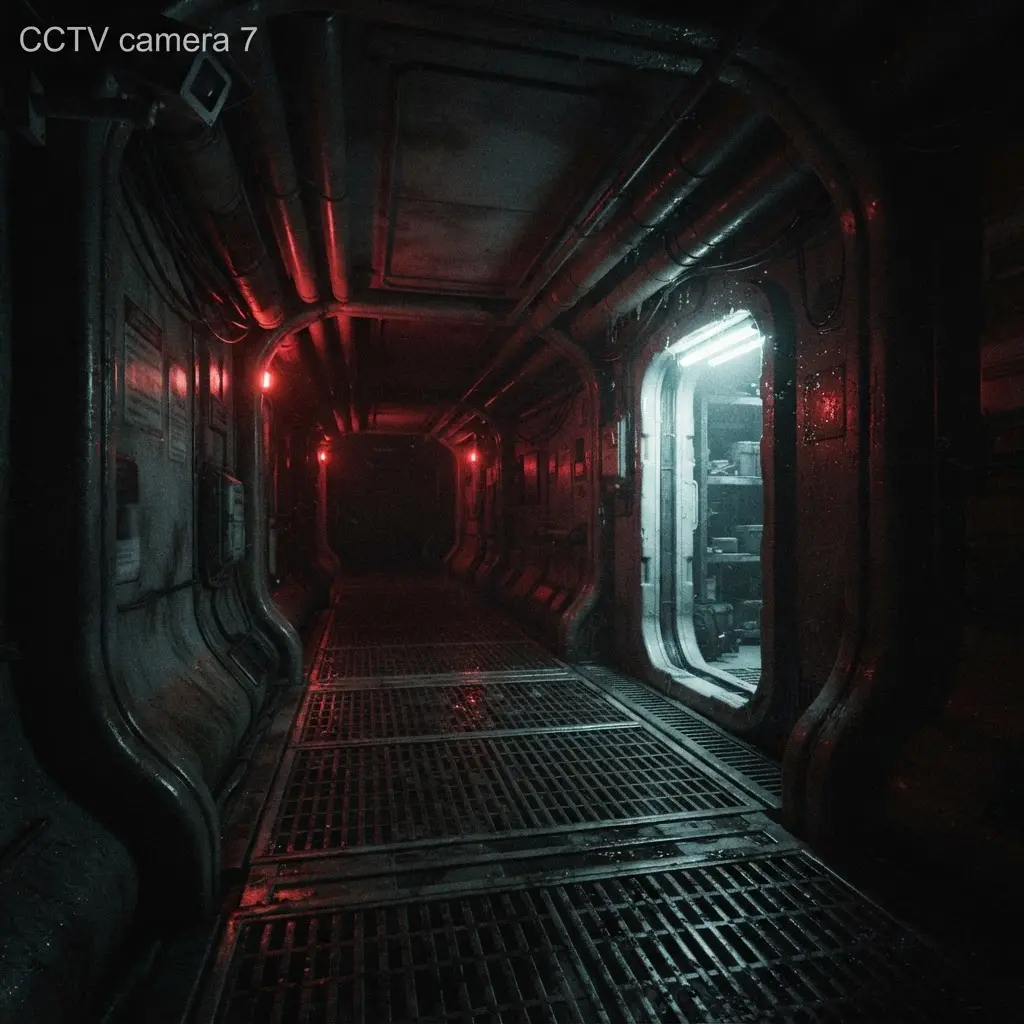
    Zero Day lets the audience investigate and discover inside a fictional system.

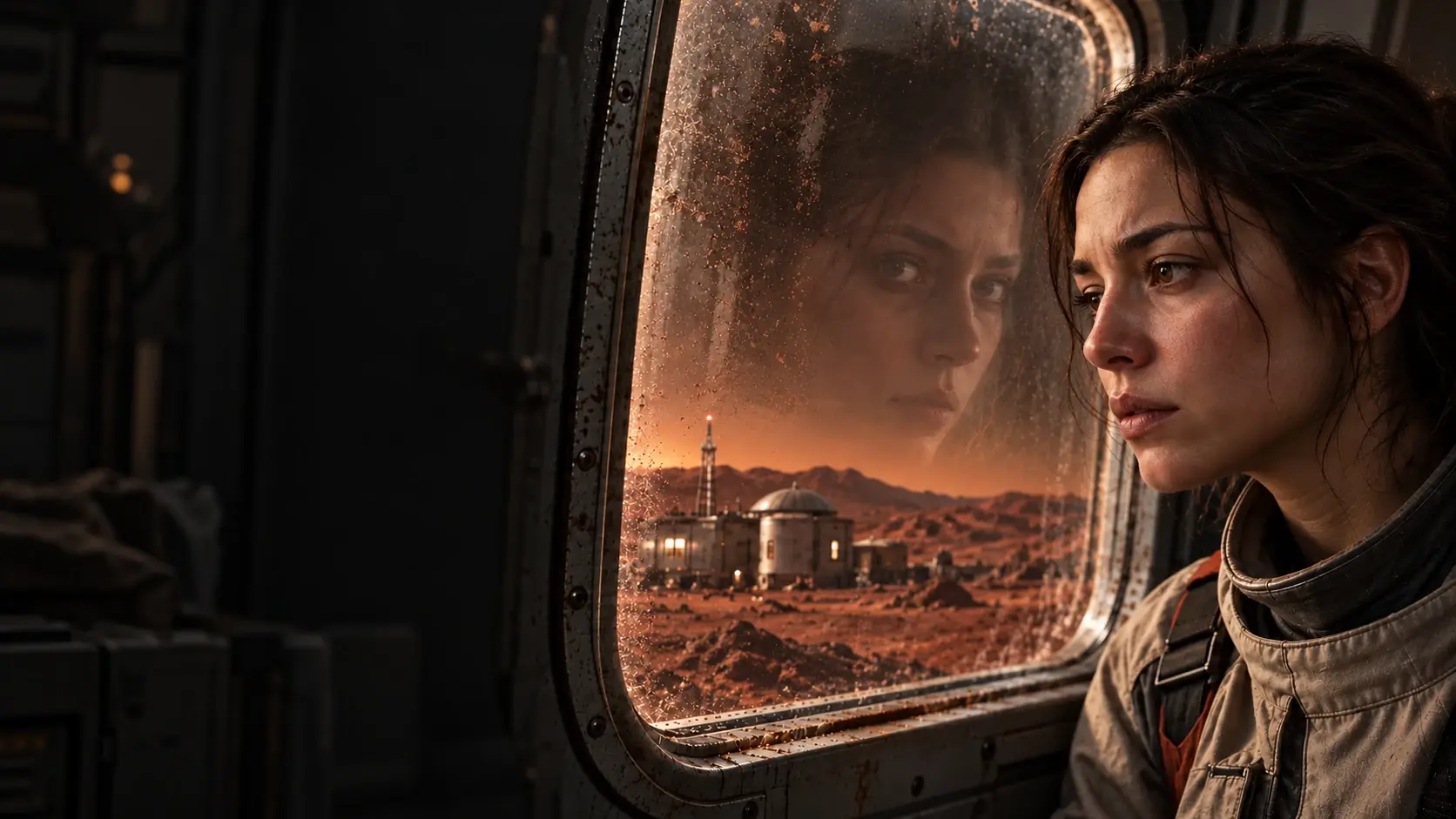
Nadia and her reflection beside the Mars House habitat
Mars House
  1. 01Six strangers arrive on Mars. There are only five seats home.
  2. 02The meal plan lists six people. The oxygen monitor counts five.
  3. 03A safety recording changes one line: “If you receive a message from yourself, do not respond.”
  4. 04Viewers compare the recordings, the crew’s memories, and the details that do not agree.
  5. 05At a Crossroad, the creator can let the audience choose which lead the crew follows.
  6. 06The next episode carries that decision forward. The mystery keeps its secrets.

What the audience notices gives the creator a new question to follow.

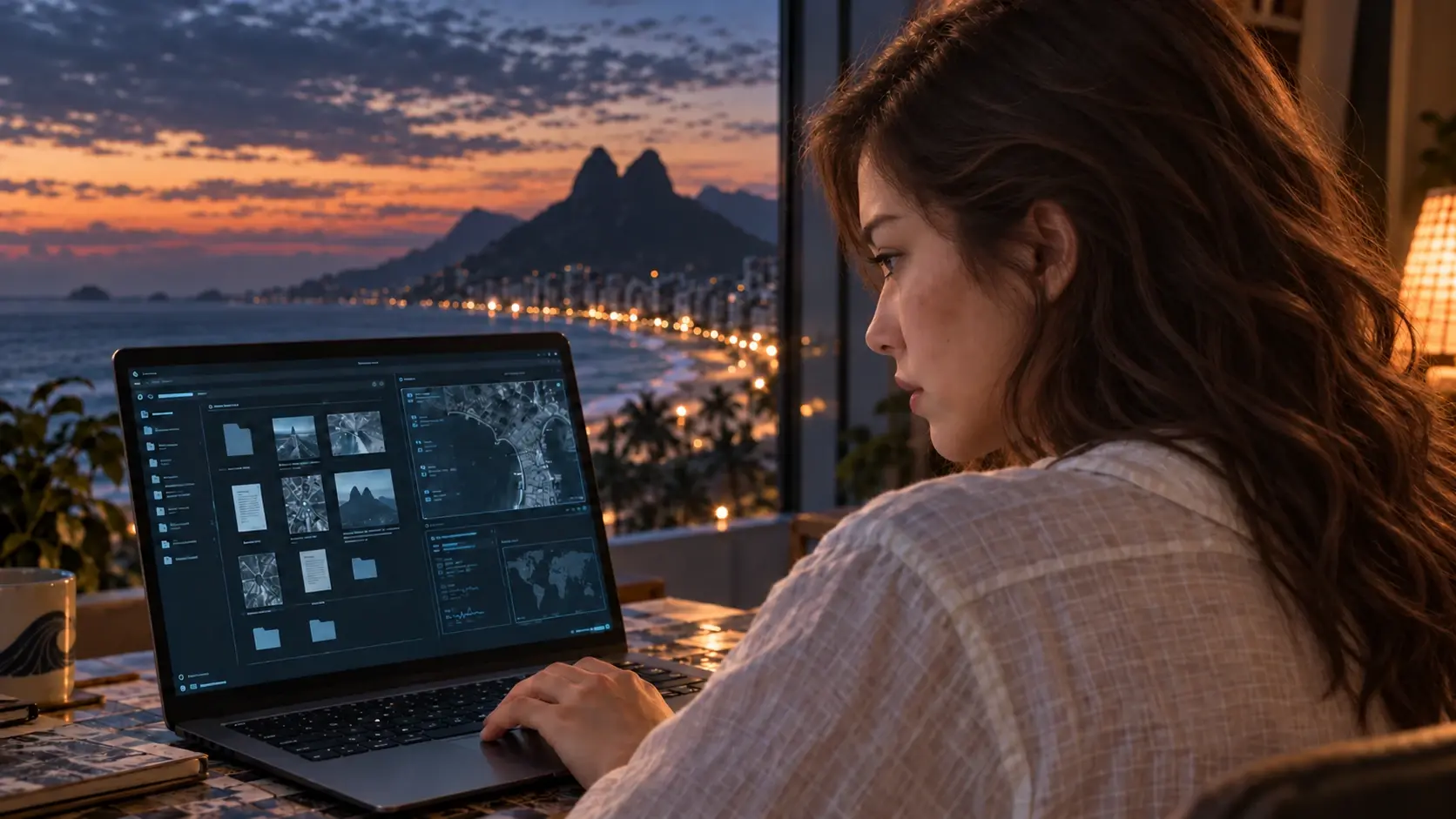
  1. 01Zoey, a hacker in Rio, investigates the death of her younger brother, Leo.
  2. 02The official story does not match the records.
  3. 03Pause the episode, take control of Zoey, and follow a lead on her laptop or phone.
  4. 04Your discoveries stay in the case file when you return to the episode.
Zoey investigates on her laptop above Rio in Zero Day
Zero Day

Question the official story. Work the case.

You don't just watch Zoey find the evidence. You find it with her.

Creative access

More room for small teams to make ambitious worlds.

A small team should be able to test an ambitious idea before it has the resources to film a season. Today, UNSPOOL is building its first world and Studio demo. It is not a public creator platform.

A writer or filmmaker

should be able to develop a world without first building a large production company.

A small team

should be able to keep its story, visual language, and decisions close together.

A creator

should be able to lead the work without becoming a prompt engineer.

More people should get to make the worlds they can't stop imagining.

Watch closely

Find someone you want to come back for.

Start with Mars House, then explore the worlds taking shape around it.